Min Manaouda Malachi carries high Cameroon’s voice at WHO summit
By Brian Mboh
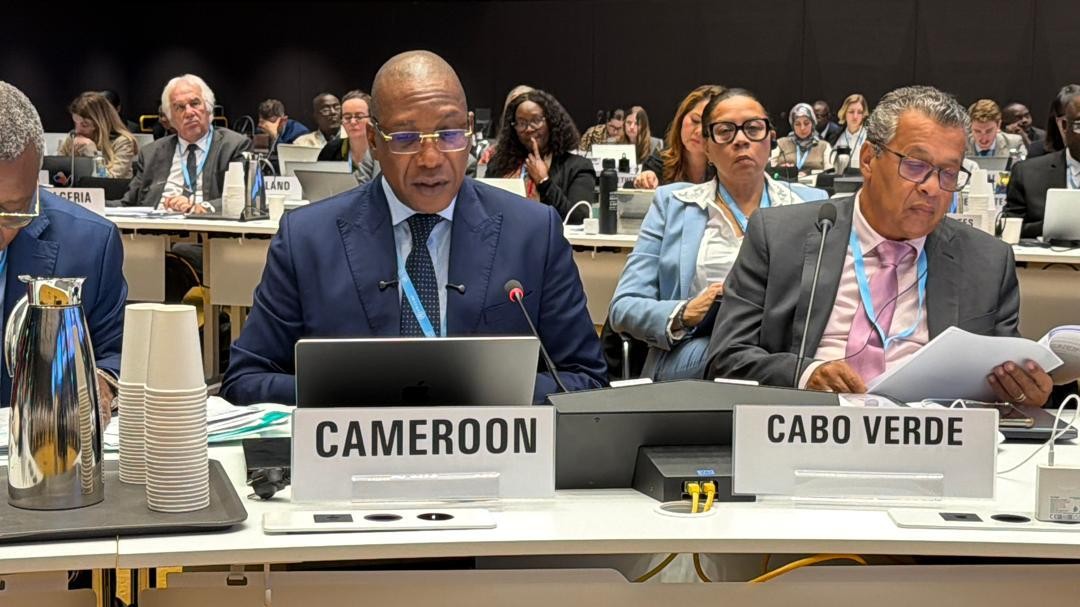
Geneva, Thursday, February 5, 2026 at the podium of the 158th session of the World Health Organization (WHO) Executive Board, Cameroon distinguished itself with a dense and structured address, faithful to its proactive health diplomacy. Facing the major contemporary challenges of health systems, the Cameroonian delegation carried a resolutely human and inclusive vision, centered on strengthening rehabilitation, promoting well-being, health economics, the protection of indigenous peoples, and maternal and child nutrition.
A Voice Aligned with the African Region
On several agenda items, Cameroon aligned itself with the statements of the African Region. It praised the quality of the report presented by the WHO Director-General and noted the progress made in strategic areas such as rehabilitation, well-being, health economics, indigenous health, and maternal, infant, and young child nutrition.
Rehabilitation: Consolidating Gains to Meet Growing Demand
The African Region has reached a major milestone with the adoption of a regional rehabilitation strategy, which has led to the development of national plans. However, accessibility to these services remains insufficient in a context marked by the sharp rise in non-communicable diseases. Cameroon thus advocated for increased funding and better ownership of this strategy by Member States to effectively meet the actual needs of populations.
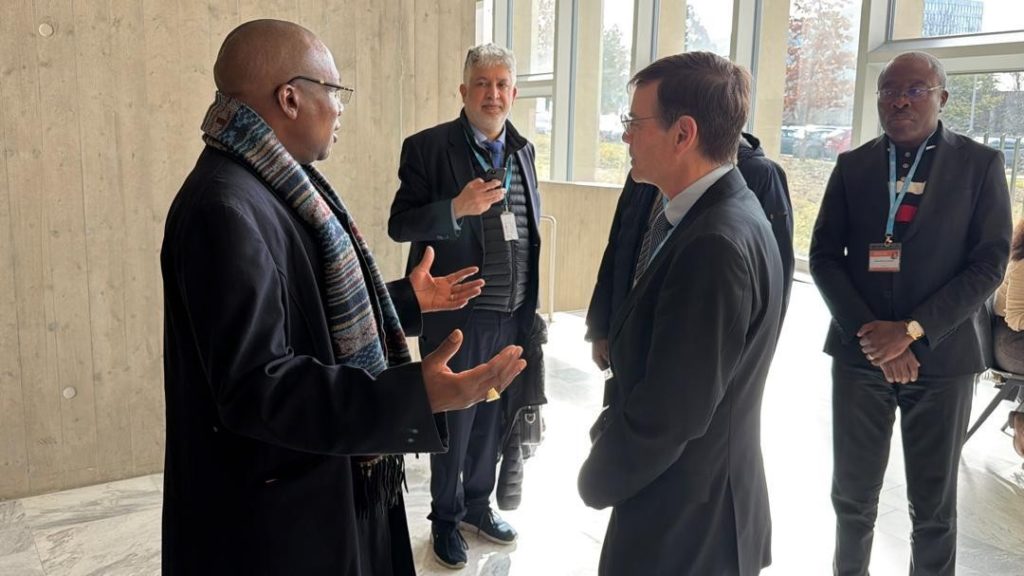
Minister in exchange with participants
Well-being and Mental Health: The “Soft Underbelly” of Health Systems
Addressing the promotion of well-being, Cameroon drew the Board’s attention to the growing scale of social isolation and loneliness, with the highest rates recorded in Africa at nearly 24%. These realities are strong signals of mental health challenges, which are often sidelined in public policies. Facing this silent emergency, Cameroon encouraged the development of local, culturally acceptable, and multisectoral approaches to sustainably promote mental health and collective well-being.
Indigenous Peoples: An Approach Based on Equity and Cultural Respect
Speaking on the draft global action plan for indigenous peoples, Cameroon recalled that, in accordance with the United Nations Charter, health is a universal and immutable right, inseparable from the respect of health cultures. The country highlighted a major advancement: the recent adoption of a specific law on traditional medicine, promulgated by the Head of State. This legislation reflects Cameroon’s commitment to structuring and promoting its rich medical heritage while considering local realities and the specific needs of indigenous populations. Cameroon called for the development of regulatory frameworks conducive to social equity and the full inclusion of health issues specific to these communities.
Maternal, Child Nutrition: A Silent Emergency in Africa
Regarding the nutrition of women, infants, and young children, the situation remains concerning. Despite ongoing efforts, rates of stunting, anemia, and micronutrient deficiencies remain high in Africa, primarily due to low coverage of nutritional interventions. Cameroon emphasized the need to strengthen funding for local innovations in maternal and child feeding, while calling for better alignment between nutrition, education, social protection, and community integration policies.
Health Economics: Sustainably Financing Universal Access
Finally, regarding health economics, Cameroon reminded the Board that more than half of the world’s population still lacks access to essential health services, and one in four people faces financial hardship due to health expenditures. To address this, it advocated for a stronger commitment from States toward domestic resource mobilisation through tax reforms, decentralisation, and public-private partnerships dedicated to health financing.
A Constant Commitment Alongside the WHO
In conclusion, Cameroon took note of the various reports, reaffirmed its full support for the WHO’s strategic directions, and renewed its commitment to supporting the implementation of health programmes. This position confirms the consistency and steadfastness of Cameroonian health diplomacy in service of health systems that are more equitable, resilient, and respectful of human diversity.