THT
As Cameroon awaits the official proclamation of the October 12 presidential election results later today, the nation finds itself at a crossroads of uncertainty, reflection, and rising tension. Leaked figures suggest that President Paul Biya is leading with over 50% of the total votes cast, yet this has not brought calm to the streets. Instead, skepticism and frustration continue to spread among citizens who question whether the figures truly reflect the will expressed through the ballot box.
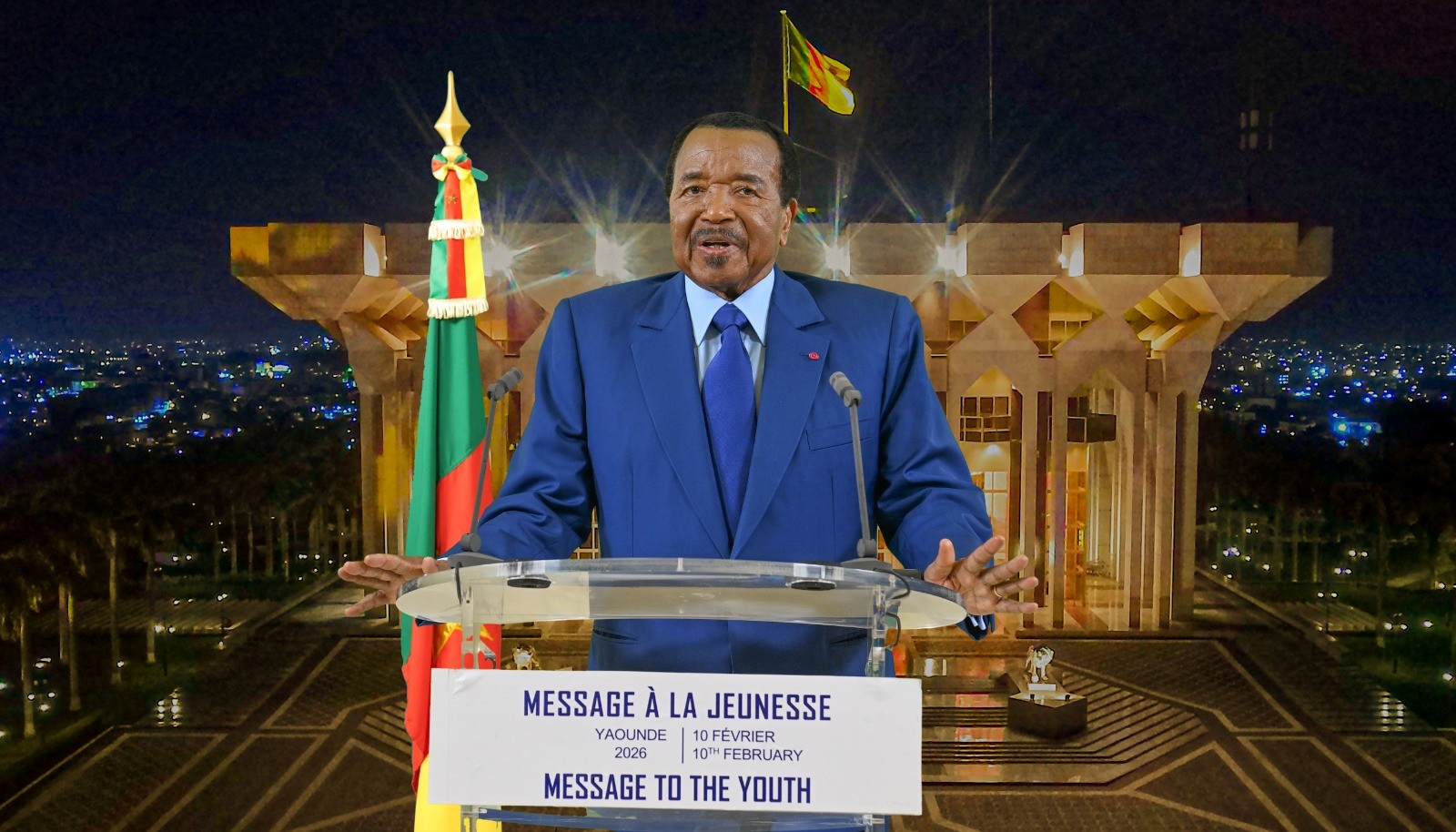
In this atmosphere of doubt, one question stands out: Who betrayed Paul Biya? Is it the people he has governed for more than four decades, or the very government machinery meant to serve both him and the nation?
Throughout his long tenure, President Biya has often spoken about peace, development, and inclusion. His policies and speeches have emphasized the empowerment of women, youth employment, and major infrastructure projects. Yet, for many Cameroonians, the reality on the ground tells a different story. Despite the government’s promises, unemployment remains high, public services are weak, and corruption continues to erode trust in public institutions.
If betrayal has occurred, it may not be from the people, but from within his administration. Many believe that the true obstacle to progress has been a network of individuals within the system who have turned public service into private gain. These are officials who pledge loyalty to the Head of State but fail to translate his policies into meaningful action for the ordinary citizen.
The October 12 election, by all accounts, reflected an unprecedented desire for change through peaceful, democratic means. Citizens turned out in large numbers, determined to make their voices heard. Opposition leader Issa Tchiroma Bakari has since claimed victory, presenting results from 18 Divisions which he says represent the majority of voters. The government, however, insists that the official process must take its course and that the Constitutional Council remains the only body empowered to announce the final results.
Yet, skepticism toward these institutions remains deep. Over time, bodies such as ELECAM and the Constitutional Council have struggled to convince the public of their neutrality. Many now see them as too closely aligned with the ruling party. Restoring confidence in these institutions is essential if the country hopes to move forward peacefully.
As the Constitutional Council prepares to declare the results this Monday, the stakes are high. Cameroon cannot afford a repeat of the missteps that led to the Anglophone crisis—a conflict that began with peaceful grievances and escalated into years of instability. The lesson is clear: ignoring the people’s voice can have lasting consequences.
At 93, President Paul Biya’s leadership is once again being tested. The decisions made will not only define the outcome of an election but also shape the legacy of his long rule. Will he be remembered as a leader who listened to his people and guided Cameroon through its most fragile moment, or as one who allowed the same system that served him for decades to betray both him and the nation? Ultimately, the question of who betrayed whom may not matter as much as what happens next. What Cameroon needs now is wisdom, restraint, and dialogue. The country’s unity and stability must come before partisan victory.