By Nformi Ngi Jones Tamfu
In a decisive move to streamline trade across Central Africa, the Regional Observatory of Abnormal Practices (OPA) has unveiled a series of groundbreaking studies targeting the bottlenecks that plague the region’s most vital trade arteries.
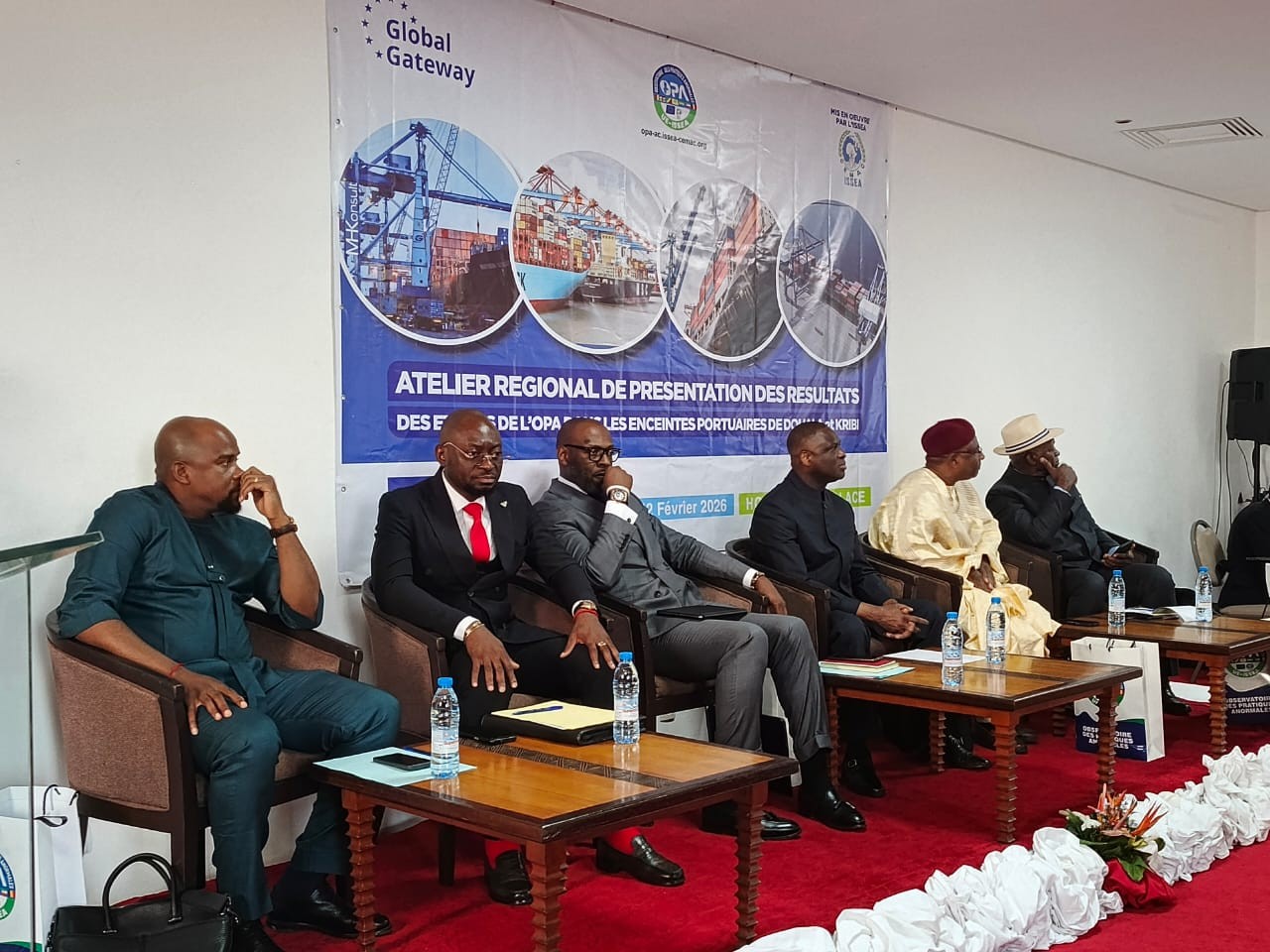
At a high-level regional workshop held under the aegis of the CEMAC Commission, officials and industry leaders gathered to confront a difficult reality: the persistent “extra-legal” fees, excessive checkpoints, and logistical delays that drive up costs for consumers and businesses alike.
While the OPA—an EU-funded body hosted by ISSEA—has traditionally monitored corridors like Douala–N’Djamena and Douala–Bangui, this latest initiative marks the first time investigators have been granted “behind the gates” access to the ports themselves.
Field surveys conducted in 2024 and 2025 at the Port Authority of Douala (PAD) and the Port Authority of Kribi (PAK) tracked trucks from the moment they entered the premises until they were fitted with GPS beacons and cleared for transit.
”These platforms are the primary operational grounds for these abnormal practices,” noted Jean-Yves Masuka, Head of Trade Facilitation at the Port of Douala. “This study is vital to reduce these dysfunctions so that importation and transit become as fluid and streamlined as possible.”
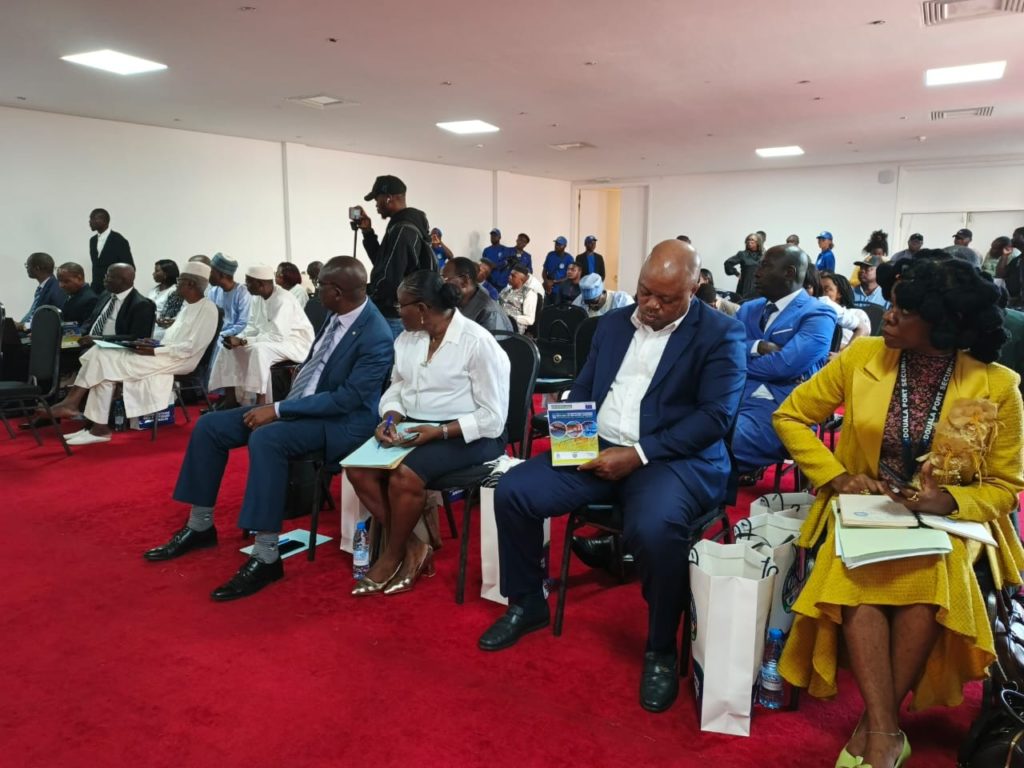
The human cost of these inefficiencies was laid bare by Yve Massouka, speaking on behalf of customs brokers. He described a system where “hidden fees” are often seen as the price of speed.
”We face problems with ‘extra-legal’ work every time,” Massouka explained. “When you want to sign a document, you have to pay; when you want to release goods, you have to pay. Often, importers agree to these payments just to save time.”
He pointed out that these “abnormal practices” are rarely the choice of the brokers themselves but are instead triggered by various operators along the chain, including security forces and road checkpoint officials.
Despite the challenges, a sense of optimism permeated the workshop. Industry leaders pointed to digitalisation as the primary solution to corruption. By removing physical contact between agents and officials, the opportunity for bribery vanishes.
Jean-Yves Massouka revealed a major milestone for the region: the Douala-Bonabéri port complex is finalising its Port Information System (PIS).
Target Date: Fully operational by September 2026.
Goal: Total digitalization of procedures, allowing shipowners, stevedores, and customs to share data in a single, transparent module.
”If road checks are digitized, we can move past these issues,” Massouka added, imagining a future where trucks pass through automated checkpoints similar to those in Europe.
Albert Etoundi, President of the National Union of Freight Forwarders, emphasized that the goal of the workshop is to turn these findings into law. “We are here to see if these reports align with reality. We will validate a final record and send it through community decision channels to put in place strategies that solve these issues once and for all.”
As Cameroon covers the largest distance of the strategic corridors in the Subregion, the nation has accepted a leading role in implementing the OPA’s recommendations. The ultimate goal remains clear: improving governance to ensure that the private sector and everyday consumers benefit from competitive prices and quality service.
As one official noted, “Old habits die hard, and you cannot eliminate these evils simply by decree—but we are moving forward, and we will get there.”