By Neba Jerome Ambe
On a steep hill leading into the remote village of Awi, Widikum Subdivision, Momo Division in Cameroon’s North West Region, community journalist Mbuh Stella once walked for hours to reach a woman who had been in labour for three days. There was no road, no clinic and no trained midwife, only a handful of village women and a traditional birth attendant.
When the baby finally cried, relief swept through the small gathering. For Stella, the moment carried both joy and a painful reminder of the stories that rarely reach national headlines. “Giving back to my community means amplifying the voices of those often unheard,” she says. “If we don’t tell these stories, the suffering of these communities remains invisible.”
Across Cameroon’s conflict-affected Anglophone Regions, women journalists like Stella are quietly redefining what journalism means. In difficult terrain where insecurity, poor infrastructure and political tensions complicate reporting, they are documenting the human cost of conflict while also pointing to solutions that communities themselves are building.
As the world marked International Women’s Day on March 8, 2026 the stories of Stella and fellow journalists Ruth Che Wachong and Comfort Mussa reveal how women reporters are not only documenting crises but also helping shape pathways toward change.
Reporting Where Few Will Go
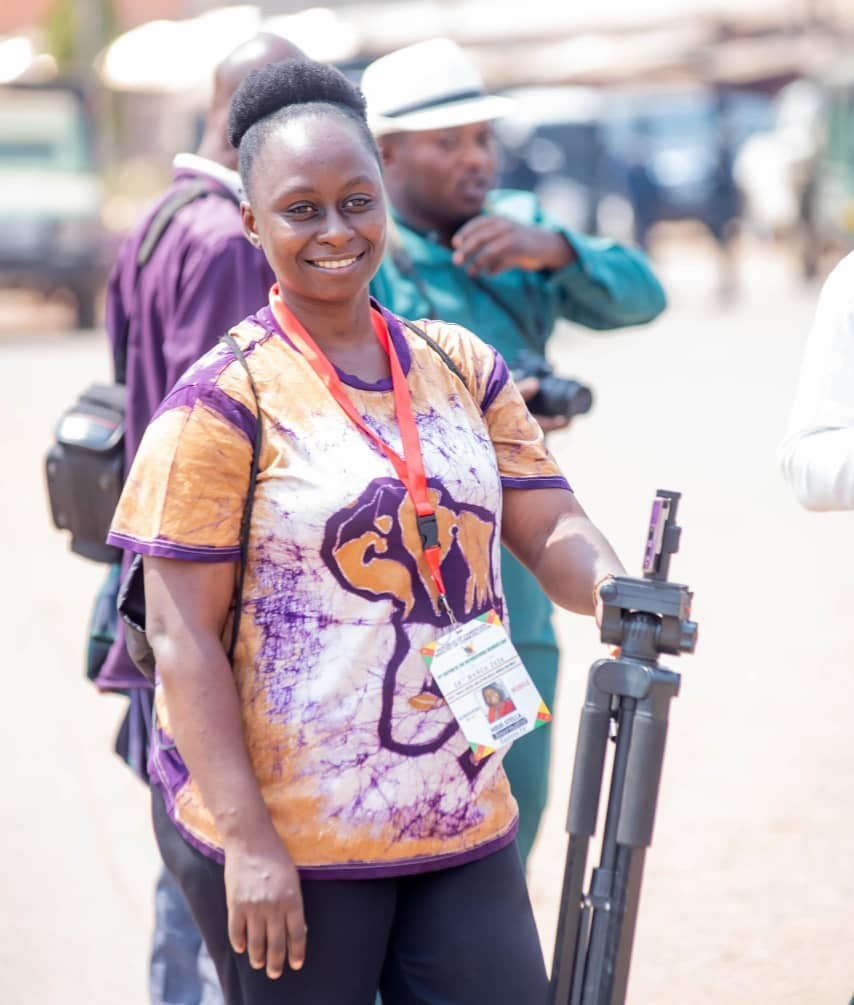
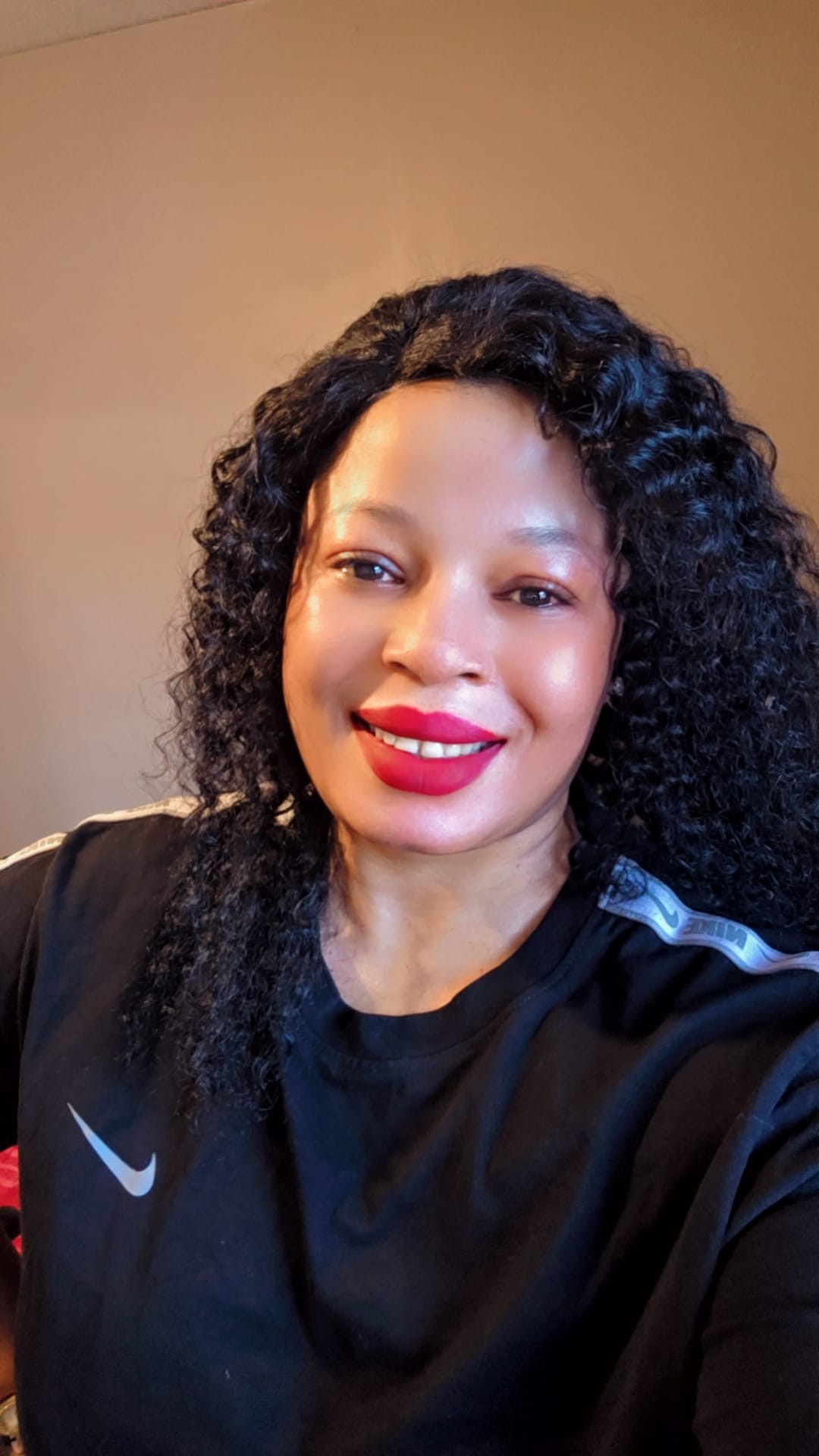
Mbuh Stella: Community Journalist
For Stella, journalism is deeply personal. Growing up in communities where basic services such as healthcare, good roads and clean water were scarce, she witnessed firsthand how development gaps shape daily life.
Those experiences now guide her reporting across some of the most remote areas of the North West Region, one of the epicenters of Cameroon’s ongoing Anglophone crisis. Her assignments often involve physical risks and emotional strain.
Five years ago, she traveled to Njinikom to cover the heartbreaking story of triplets who died because emergency medical equipment was unavailable during delivery. In another investigation, she crossed Lake Bambalang by boat to document the lives of internally displaced people living in isolated communities cut off by conflict.
In these villages, she witnessed women giving birth without medical care and children dying from treatable illnesses.
“Working in these environments has not been easy,” Stella says. “Sometimes people accuse me of working for separatists simply because I report from remote communities. Other times I am accused of siding with the government because I cover national events.” Still, she continues.
For Stella, the goal is not only to expose hardship but to spark action, whether it is pushing authorities to build a road to Awi or advocating for a rural health center that could save mothers’ lives.
Leadership in a Difficult Media Landscape
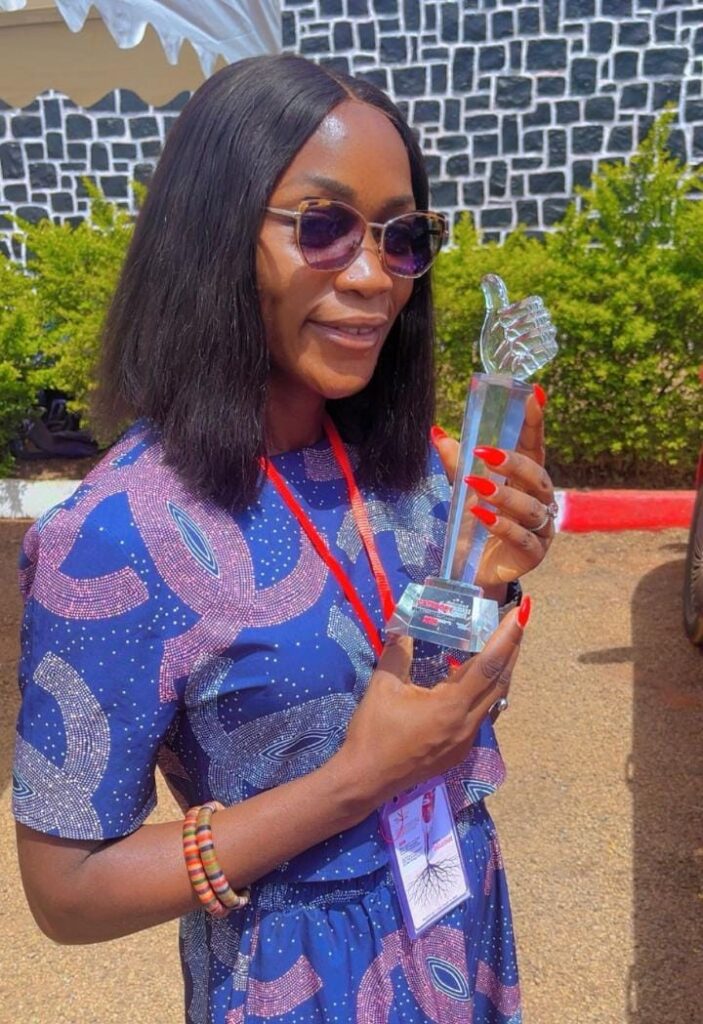
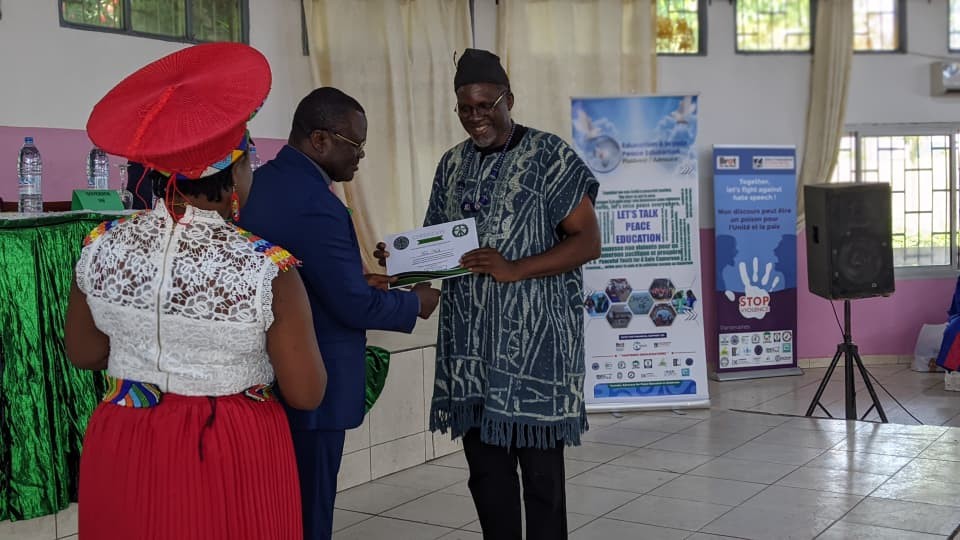
Che Wachong: NW Chapter President of Cameroon Journalists Trade Union (CJTU) & Communication Officer at the North West Development Authority (MIDENO)
While reporters like Stella document stories on the ground, leaders such as Ruth Che Wachong are working to strengthen the profession itself.
Che Wachong, President of the Cameroon Journalists Trade Union (CJTU) for the North West Region and Communication Officer at the North West Development Authority MIDENO, recently received the Best Female Leadership Award during the Cameroon Journalist Trade Union (CJTU) Annual General Meeting that took place in Bafoussam, West Region of Cameroon.
For her, the recognition is not only personal but symbolic. “It validates the effort to advocate for journalists’ rights and empower women in the media,” Che Wachong says.
In a Region where journalists often operate with limited resources and face safety risks, professional solidarity has become essential. Through the journalists’ union, she advocates for ethical reporting, improved working conditions and professional training.
Yet Che Wachong notes that women in media leadership still face persistent barriers. “Gender bias remains pervasive,” she says. “Women are often underestimated or must prove themselves repeatedly in spaces where authority is traditionally associated with men.”
Beyond advocacy, she emphasizes mentorship, encouraging young journalists to pursue leadership roles and reminding them that their perspectives are critical to shaping a more inclusive media sector.
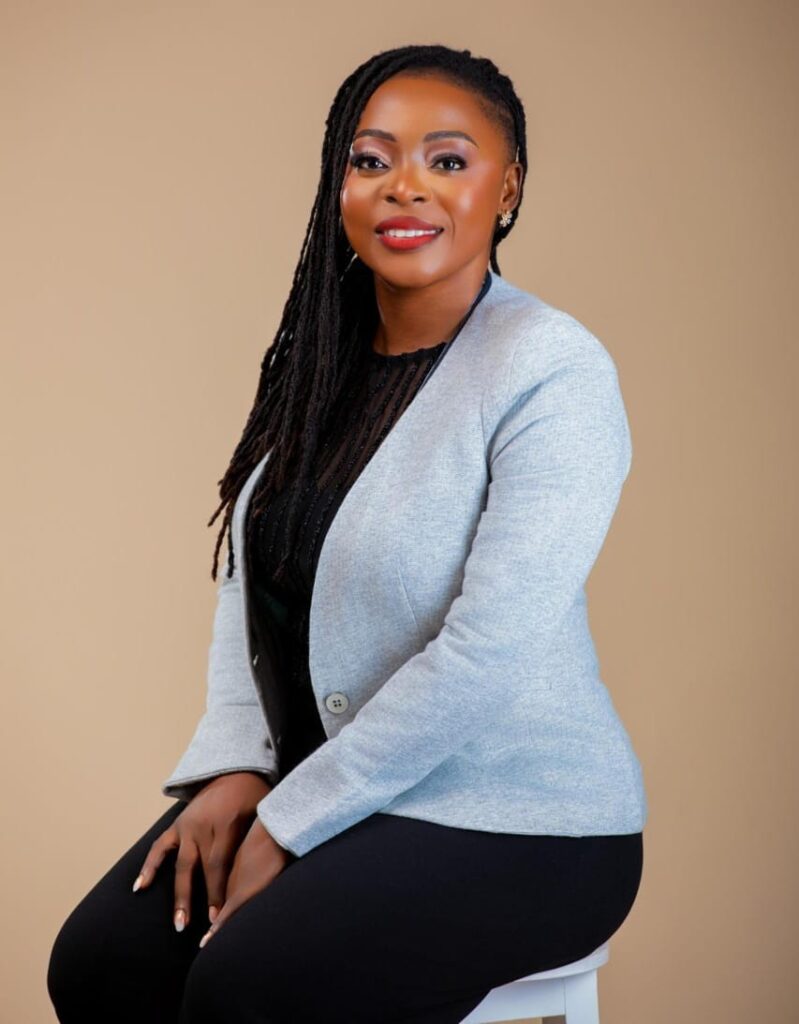
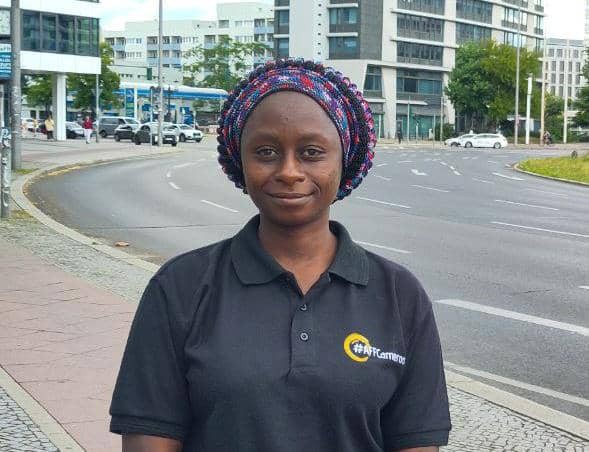
Comfort Mussa: Award-winning journalist & Communications Specialist, Founder Sisterspeak237
Turning Stories Into Social Change
For award-winning journalist and communications specialist Comfort Mussa, storytelling is more than reporting, it is a tool for social transformation.
Mussa founded SisterSpeak237, a platform dedicated to amplifying the voices of women, girls and marginalized communities across Cameroon. “If we don’t tell our stories, who will?” she says.
Through training programmes, storytelling workshops and advocacy initiatives, the platform has helped women speak publicly about issues ranging from gender-based violence to disability inclusion.
Many participants have gone on to start community initiatives, media projects or advocacy campaigns of their own.
“The most powerful impact,” Mussa explains, “is watching women realise that their stories are not just personal, they are catalysts for change.”
Her work has earned international recognition, including the Commonwealth Points of Light Award, while her current role as Field Communications Coordinator for CBM in West and Central Africa focuses on inclusive communication strategies.
Recently, she also became a volunteer Ambassador for DearYou, a global women’s health awareness initiative working to improve access to reliable health information in underserved communities.
Journalism as a Bridge to Peace
The work of these journalists highlights a growing recognition within global media discussions: women reporters often bring perspectives that emphasize community resilience and human-centered storytelling.
In conflict-affected Regions like Cameroon’s Anglophone areas, this approach can play a crucial role. Women journalists frequently gain access to stories that remain hidden from traditional reporting channels, from displaced mothers to survivors of violence.
“Women often experience the harshest consequences of conflict,” Stella explains. “Because of this lived reality, we are often more attuned to the human cost of war.” By documenting these experiences with empathy and accuracy, women reporters help shift narratives away from violence toward dialogue and understanding.
Their stories also reveal solutions already emerging within communities, local midwives supporting childbirth where hospitals are absent, women organizing support networks for displaced families, or grassroots initiatives providing education to children cut off from schools.
Inspiring the Next Generation
Despite the risks and barriers, all three journalists share a common message for young women considering careers in the media: their voices matter. “Don’t wait for permission to speak or lead,” Mussa tells aspiring journalists. “Start where you are.”
Che Wachong encourages young reporters to seek mentorship and continuously develop their skills, while Stella urges them to remain courageous and committed to truth. “Journalism grows stronger when the next generation pushes further,” Stella says.
In communities where silence often surrounds injustice, their collective work demonstrates how storytelling can illuminate problems, and point toward solutions.
As International Women’s Day Celebration took place on March 8, 2026, the voices of these journalists echo far beyond the hills and villages they report from: proof that in places where hope sometimes seems distant, telling the truth can still be an act of courage.