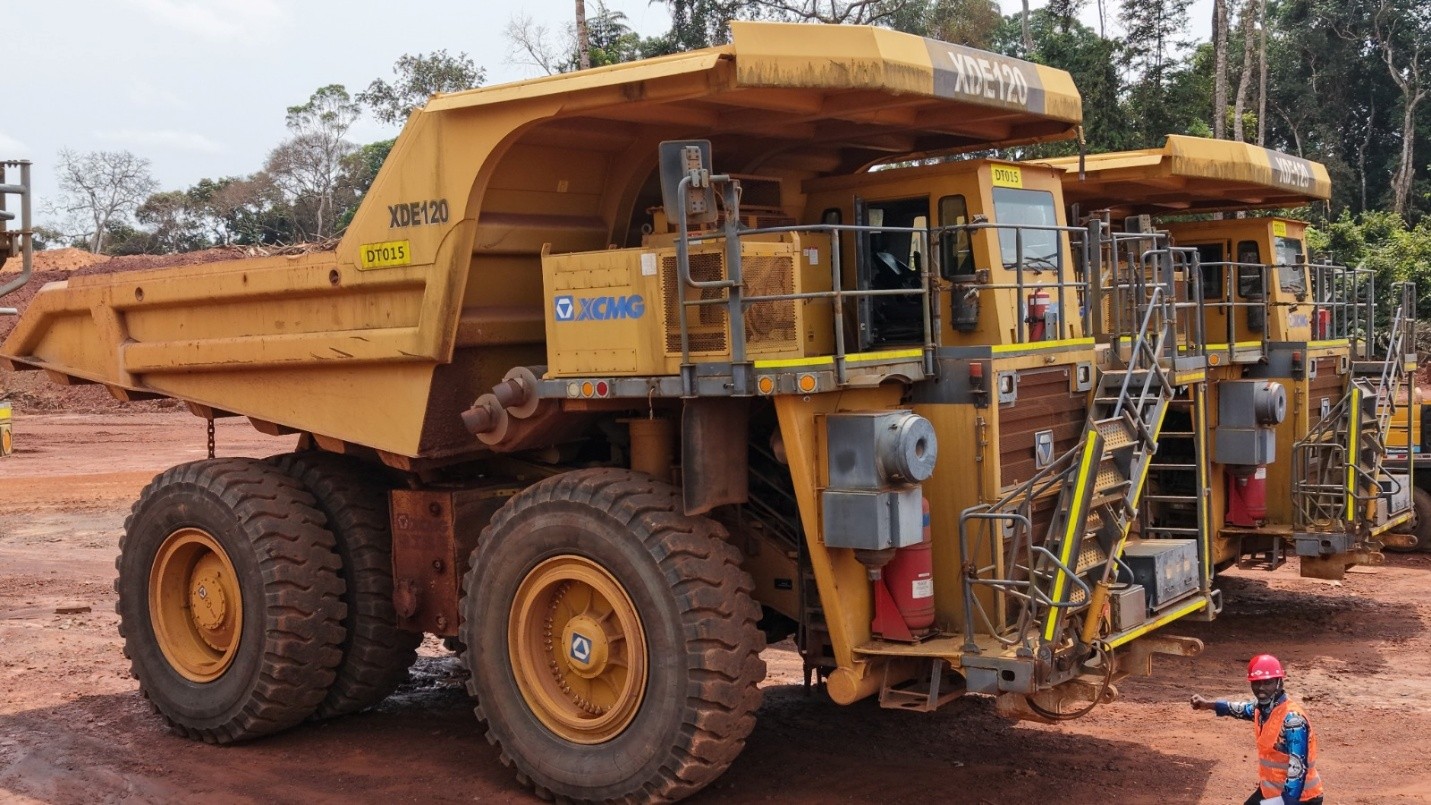
Cameroon is witnessing a seismic shift in its economic landscape as the mining sector transitions from dormant potential to an industrial powerhouse. The entry into production of five major mining projects in 2025, followed by the announcement of five additional projects slated for 2026, serves as a palpable indicator that the government’s strategic mining policy is bearing transformative fruit. From the iron-rich mountains of the South to the bauxite plateaus of the Adamawa, Cameroon is positioning itself as a critical player in the global mineral supply chain.
The Bauxite Boom
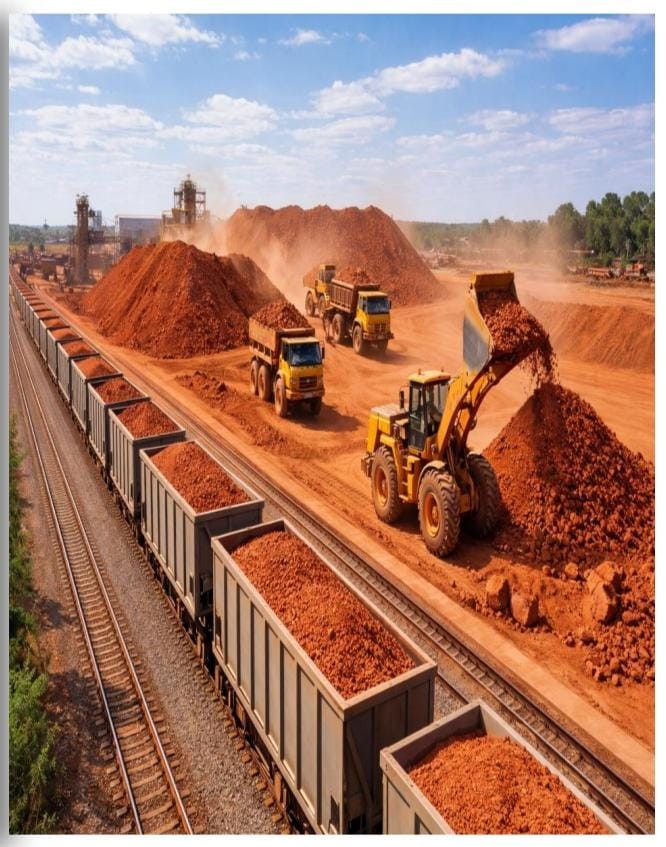
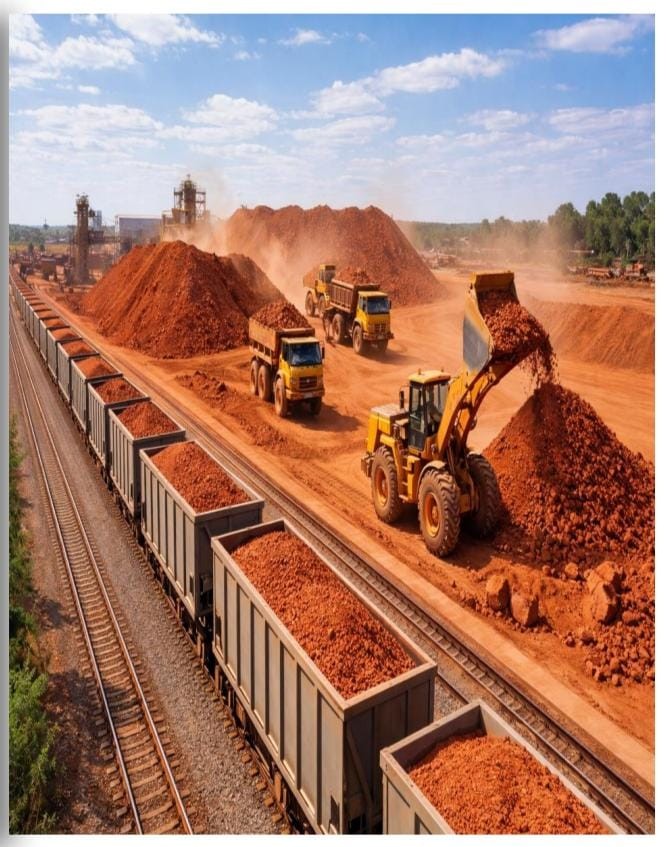
The spotlight of this industrial surge is firmly on the Minim-Martap bauxite project in the Adamawa Region. Spearheaded by CAMALCO, a subsidiary of Canyon Resources, this site is recognized as one of the richest deposits globally, boasting a resource of over 1.1 billion tonnes with an exceptional alumina content of 51%.
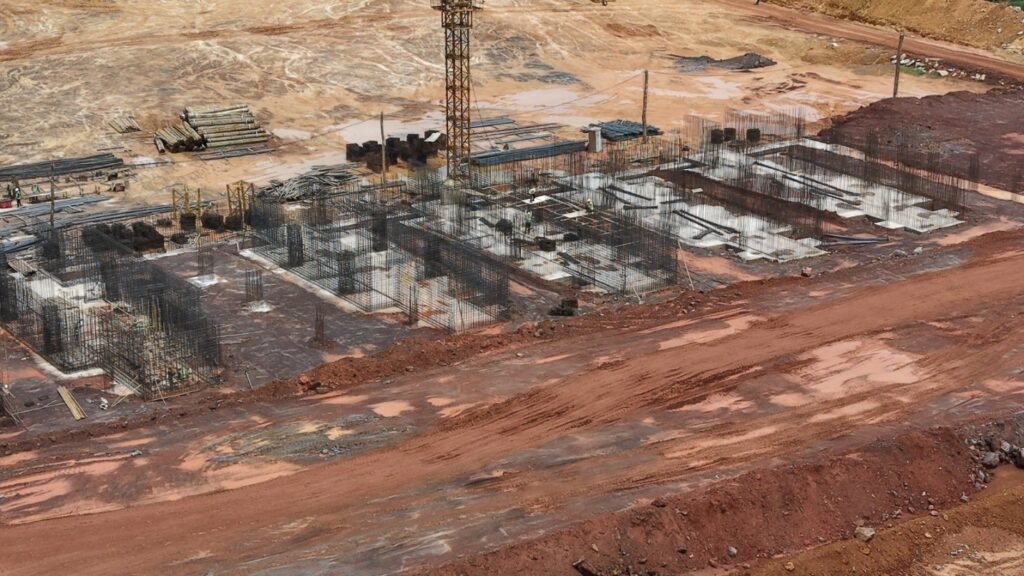
The project has evolved into a multi-dimensional industrial complex. Currently, nine key development tracks are in progress to ensure a seamless “mine-to-market” flow. These include the construction of the mine itself and the critical road corridor linking Martap to the Makor railway loading station. Logistics are being modernized at an unprecedented pace; 160 specialized wagons and locomotives are scheduled for delivery in July 2026, facilitating the transport of ore along the rehabilitated Ngaoundéré-Douala rail line.
Crucially, Cameroon is moving beyond the simple export of raw materials. Feasibility studies for a bauxite-to-alumina refinery are being finalized, with construction expected to begin in 2027. This aligns with the state’s ultimate objective: a complete, integrated bauxite-alumina-aluminum value chain that includes the restructuring of the national smelter, Alucam. With the first bauxite exports targeted for August 2026, the project is expected to generate significant annual revenues, reinforcing the national treasury.
While bauxite represents large-scale infrastructure, the gold sector is undergoing a profound structural “clean-up.” The government has taken bold steps to industrialize gold mining and curb the rampant smuggling that historically drained national wealth. By canceling semi-mechanized permits and restructuring the artisanal sector through “closed-circuit” systems, the state is reclaiming control over its precious metal reserves.
Three major industrial gold projects are leading this transition. The Mborguéné project, involving Shandong Gold, is a financial titan, projected to generate over FCFA 11.4 billion annually. Close behind is the Bibemi project, partnered with Oriole Resources, which expects an annual yield of approximately FCFA 4.7 billion. Locally, the Cameroonian firm Codias S.A. is developing the Colomine site, which is set to contribute FCFA 6.3 billion per year to the economy. This shift from artisanal “gold washing” to modern industrial extraction ensures that a greater share of mineral wealth remains within national borders.
The mining expansion also extends to iron ore and limestone, the literal building blocks of industrialization. Large-scale iron projects, such as the Djoum deposit managed by Caminex S.A., are nearing operational maturity. According to recent technical data, the Djoum project alone holds vast mineral reserves with a projected lifespan that promises decades of sustained revenue and employment.
The limestone sector is equally vital, serving as the backbone for the domestic cement industry. By ramping up local limestone production, Cameroon aims to reduce its dependence on imported clinker, thereby lowering construction costs and fueling the nation’s infrastructure boom.
A Policy of Watchful Eyes and Economic Sovereignty
This mining renaissance is not accidental. It is the result of a deliberate state policy aimed at maximizing the “part de l’Etat” (the state’s share) in mineral projects. Through the National Mining Corporation (SONAMINES) and rigorous institutional oversight, the government is ensuring that international partnerships—like those with Australian, British, and Chinese firms—are balanced with national interests.
The social impact is already visible. In the Adamawa region, data shows that over 52% of employees in major mining projects are drawn from the local population, with an additional 43% coming from the rest of Cameroon. This emphasizes the sector’s role in job creation and skills transfer.
As Cameroon prepares for the 2026 production cycle, the outlook remains bullish. The “Minim-Martap” effect, combined with formalized gold production and industrial iron extraction, suggests that the mining sector could soon rival timber and oil as a primary driver of the Gross Domestic Product (GDP).
By focusing on local processing and integrated value chains, Cameroon is no longer just “the country of great ambitions”—it is becoming the country of great industrial reality. The mineral-rich soil of the Fatherland is finally being harnessed to build a sustainable, diversified, and prosperous future for all its citizens.