By Guy-Bruno Maimo
Efforts to strengthen transparency and accountability at the grassroots in the South West Region have been reinforced, as the Office of the Public Independent Conciliator, OPIC, calls on community-based liaison officers to improve the accuracy, consistency, and credibility of their field reports.
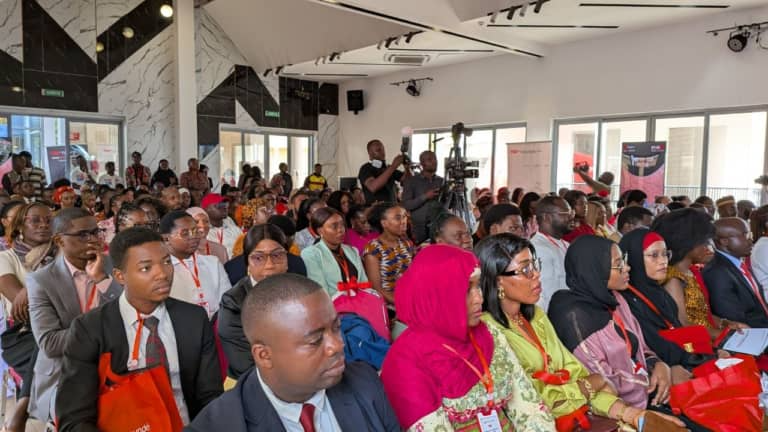
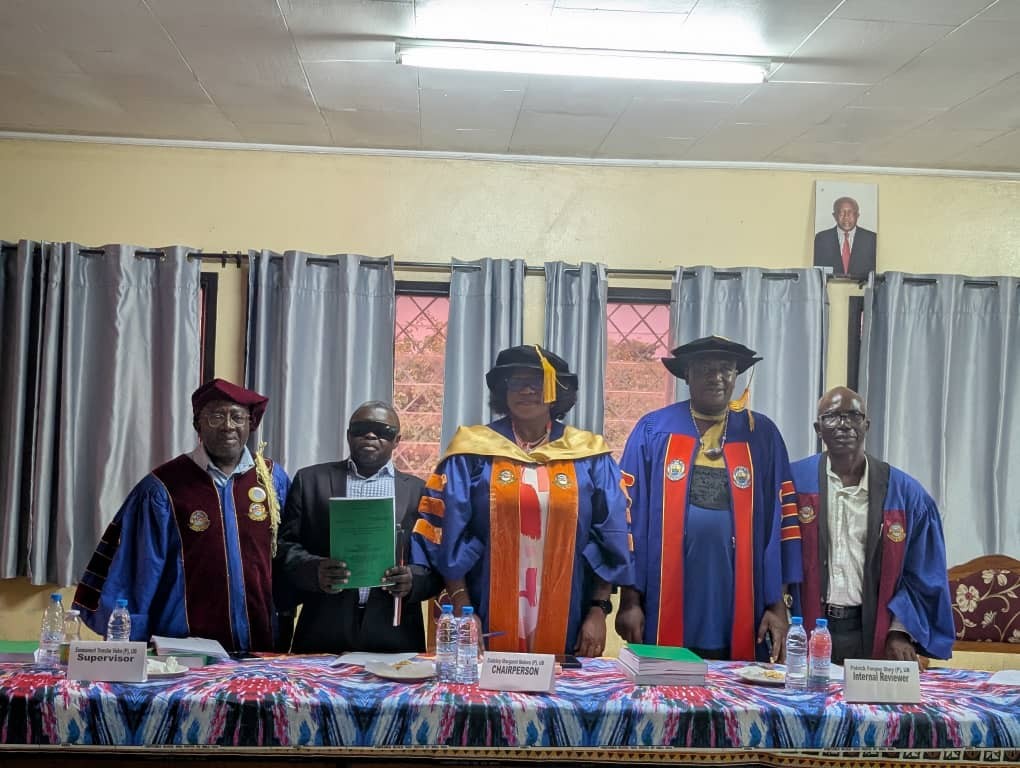
The call was made during a quarterly coordination and capacity-building meeting held on April 10, 2026, at the MINEPAT Hall, Buea, bringing together liaison officers from various municipalities across the region to review reporting standards and improve data collection on relations between citizens and council administrations.
Opening the meeting, the Public Independent Conciliator, PIC, for the South West Region, Mrs. Telelen Dorothy Atabong epse Motaze, underscored the importance of field reports in OPIC’s mandate, stressing their role in evaluating governance relations at the local level: “the relevance of the reports we provide goes as far as providing data that is used for the interpretation of the state of relations between decentralized authorities and citizens of the Southwest region,” she said. Expressing concern over inconsistencies in reporting formats, noting that many officers still do not strictly adhere to the prescribed structure: “we have realized that there is a lot of discrepancy in the reporting format, even though we give them a format, they are not adhering to it,” she stated, adding that this affects the reliability of consolidated data used for institutional assessment. According to her, the meeting was therefore convened as a reorientation exercise to address these gaps and reinforce standardised reporting across all municipalities.
Technical presentations during the session focused on OPIC’s mandate and procedures for effective data collection. Facilitators emphasized the need for uniformity, accuracy, and structured documentation in field reports. Liaison officers later presented field updates from their respective councils, highlighting development progress in service delivery and citizen engagement.
Liaison officer, Symplice Nkemkangkie Ngemasong of Alou Municipality described the session as an important reminder of field responsibilities and OPIC’s mission, saying that: “this was not just a meeting; it came with a re-awakening on our objectives in the field.” He equally noted that the municipality has recorded progress in road works, administrative infrastructure, street lighting, and civil status documentation services, however, acknowledged ongoing challenges, particularly around citizen cooperation and the influence of intermediaries in administrative processes.
In Tiko Municipality, liaison officer Wole Njie Kevin reported that several citizen complaints have been resolved through joint efforts between OPIC and council authorities. In an interview, citing cases involving market regulation and enforcement actions against illegal construction activities, he said: “most of the worries brought forward have been sorted out in collaboration with the mayor.” He added that despite these gains, challenges such as limited access to information and monitoring difficulties at the community level still persist.
The meeting ended with renewed emphasis on improving data quality, strengthening collaboration between OPIC and liaison officers, and ensuring strict adherence to reporting standards. Officials expressed optimism that these measures will enhance governance monitoring and improve citizen–council relations across the South West Region.